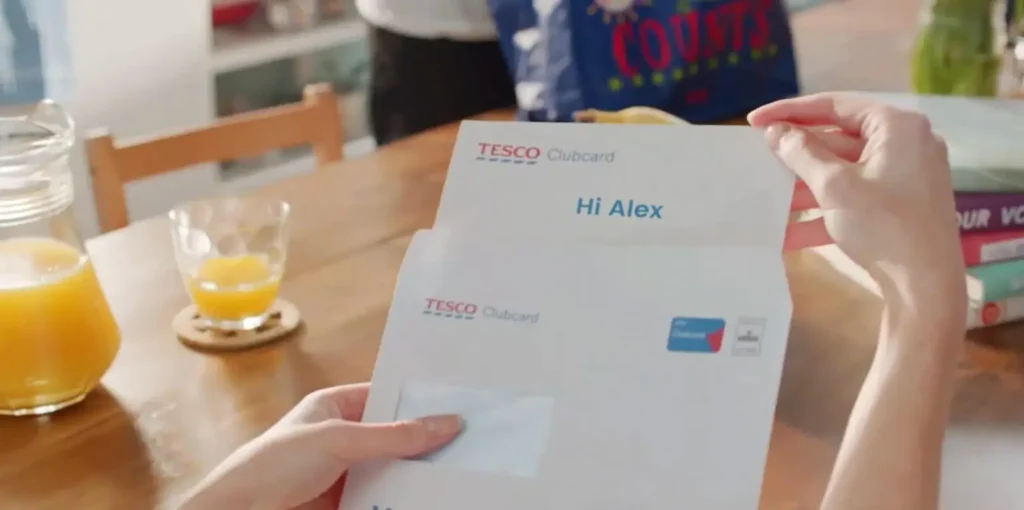


For most of the history of digital marketing, you could probably guess a company’s revenue from its videos. Enterprise brands had in-house studios, agency retainers and a production calendar booked through next quarter. Everyone else had a budget camcorder (or more recently, a smartphone) and a marketing manager squeezing video edits into an already full job.
But like so much else in marketing, AI is disrupting that pecking order. RSM’s Middle Market AI Survey found that 91% of middle market firms now use generative AI, up from 77% the year before. RSM’s read on the data is blunt: For companies this size, AI is now a “necessity” for staying competitive.
Video is one arena we’re seeing that play out. In marketing, AI is being used to create copy, design websites and web apps, generate images and more. Video used to be one of the holdouts where budget genuinely decided the winner. The more you can spend, the better the result. Here’s what midsize teams are doing about it.
Budget Was the Big Advantage
Post on

Strip away the agency gloss and the enterprise video edge was never really about creativity. A 30-person team doesn’t have 30x the ideas of a 3-person team. What it had was capacity — scriptwriters, animators, videographers, editors, sound designers and project managers.
And all those people brought a massive amount of flexibility, too. The team with a studio could cover product launches, shareable shorts for social media, sales enablement, L&D training and support content at the same time while a leaner team (or solo marketer) picked the one project that justified the invoice. That’s the difference between a video library and a video.
AI video levels the playing field. With Lucas, our AI video agent, you drop in a prompt or a document, review the draft, make whatever edits you want and let Lucas carry the production the rest of the way. What used to require a department now requires one person.
Here’s how it looks in action.
That’s what you get without any editing and my brilliant prompt “promote our products.” Imagine what you could do with a little tweaking. Don’t have great footage? Upload photos and let Lucas turn them into videos.
Of course, while text is the most common prompt type, almost anything can be a prompt. Share a document, a screen recording, an image or a webpage. Lucas will use that content and turn it into a video.
That’s what GoFundMe did for their users. They found that campaigns with videos performed better — no surprise there — so they use Lucas to generate videos from nothing more than the campaign link.
While the video includes the campaign URL, you could easily make that a clickable CTA button, which is what most of our clients do, as you’ll see below.
Nobody Has Claimed the Video Gap
Here’s the part that should encourage any midsize marketing lead. Demand for video is enormous and largely unmet. In our latest State of Video Technology report, 80% of consumers said they want more video from brands, yet only 13% frequently receive any — and more than half would consider switching to a competitor when brands don’t deliver engaging, relevant video content.
Customers reward brands that communicate well, which makes the video gap a genuine opening for a midsize company, one that many enterprises aren’t capitalizing on.
Ebook
How To Leverage AI for Video Marketing

Legacy video production isn’t built to close this gap. It’s made for a few big splashy campaigns a year, but that’s from the era of “Mad Men.” Today, consumers want constant, personalized, omnichannel video content. And this is exactly what AI-assisted video production makes possible.
Why Smaller Teams Are Moving Faster
There’s a structural reason midsize companies are adopting AI video at the rate RSM’s numbers suggest.
Rolling out a new production workflow at an enterprise often means procurement reviews, security assessments, brand councils and a pilot program to get off the ground. At a midmarket company, the CMO can watch a demo on Tuesday and have a live project by Friday.
Lest you think I’m exaggerating, we’ve finished more than one personalized AI video in just a few days.
But speed only helps if nothing important gets skipped. Your video needs to be on brand, have enterprise-grade security if it’s personalized and flawlessly accurate. Idomoo is ISO 27001 and ISO 42001 certified, SOC 2 Type 2 compliant, leveraging retrieval-augmented generation to guard against hallucinations and Brand DNA to guarantee each video follows not just your fonts and colors but your brand voice and visual styles.
That means a lean team gets enterprise-grade governance without the enterprise price tag.
3 Ways Midsize Teams Use AI Video Today
So how are midsize companies using AI video today?
The pattern among adopters is surprisingly consistent. They aren’t trying to outdo anyone’s Super Bowl spot, and they aren’t chasing viral moments. They’re pointing video at recurring customer touchpoints, the ones big brands tend to automate into text, where a Personalized Video reads as genuine care.
Here are 3 examples from real campaigns.
1. The Year in Review
A year in review turns a customer’s data into fun, shareable content. Spotify Wrapped might be the most well-known example, but we’ve done personalized year-in-review videos for dozens of clients across industries: financial services, wellness, gaming, retail, travel, even utilities.
Here’s an example from Zwift. Apps naturally lend themselves to personalized recaps. You’ve got the data. Now remind your customers why they love you, and make it something they’ll want to show their friends.
Because we love recaps so much, here’s another example. This time, from a B2B company, which isn’t the usual demographic you think of for this use case, but it’s a good one.
This personalized AI video recaps each user’s wins, like the connections they made and the objections they overcame, comparing them against their peers nationwide.
Orum’s campaign was incredibly successful, achieving a 36% conversion rate, showing that AI video isn’t just about looks and speed. It gets results too.
Recaps used to be a big-brand play. The same concept is now within reach of any company with personalized data customers care about.
2. Loyalty Made Personal
Loyalty campaigns work when they celebrate the customer in a way that’s truly personal, which is exactly why generic blasts can’t deliver.
Here’s a Personalized Video Lucas made for Modern America Campgrounds. It thanks the customer personally for being a rewards member and recognizes their past stays. It also shares helpful info like their points balance and available loyalty credit, ending with an interactive CTA to access their account.
That’s a smart tactic for any brand, regardless of size. If there’s a next step you want your viewer to take, end with that call to action. Lucas can do all kinds of interactivity, but we’ve seen something as simple as a button boost conversions as much as 4x.
3. Limited-Run Campaigns Done Fast
Seasonal and limited-run events demand speed. If you don’t produce quickly, the content expires before you can get the full value from it. When that content is an expensive video project, that’s not an option. So for many midmarket companies, that’s meant forgoing video when timelines are tight.
Luckily, Huuuge Games knew they could use AI. In preparation for a 2-week time-sensitive campaign that would launch across multiple games, they generated nearly 100,000 Personalized Videos featuring themed in-game footage.
No, they didn’t hire an agency. They used an AI agent. Lucas created the video fast — in just 4 working days including revisions, a 95% time savings over past campaigns — and it was automatically personalized for each player. Give it a watch below.
The gaming company was able to launch on time, and the campaign improved revenue retention by a whopping 50%. Their past Personalized Videos have had similar success, including 7x higher engagement and nearly 4x higher conversions.
Quality Is Still the Bar
One caution before you point the nearest generative tool at your brand. Speed without brand control results in video content you can’t use.
Gen AI footage (think Runway and Veo) generates impressive clips, but the output is a flat file, so there’s no way to edit a detail, update an offer or personalize it for the person watching. Template-based editors have the opposite problem, where it’s editable but drastically underwhelming, never quite fitting your content. And neither option creates videos that are on brand.
This is why Lucas has Strata, our AI foundation model for layered video. Yes, you can create videos with templates — it’s what many of our clients choose — but Strata also allows Lucas to custom-design a layered video blueprint based on your content. Each layer is editable, fully on brand and can be personalized at scale.
Quality at scale used to be an enterprise privilege. Now it’s available to any team with a login.
That matters because audiences attach production quality to the brand behind it. In fact, 74% of consumers say brands investing in high-quality video communications make them feel valued. A video that looks cheap doesn’t read as scrappy. It reads as careless, and it hands back the ground you just took by closing the video gap.
Your Move
Enterprise brands keep real advantages, including awareness, distribution and media budgets no midsize company will match, and trust me, they’re already using Lucas to create dynamic, data-driven video campaigns. Speed is an advantage for any company. But access to high-quality video is no longer limited to big brands and their deep pockets. In some ways, AI is an equalizer.
We think the companies that close the video gap will be the ones that treat video as an everyday communication channel instead of a quarterly campaign line. If you’d like to see what that looks like with your brand, we’d love to show you.