

The demand for video is rising, but brands still aren’t keeping up, despite the increased availability of (and interest in) AI video tools.
Now in its fifth year, the 2026 State of Video Technology report found that 80% of consumers want more video from businesses, yet only 13% say they frequently get it. It’s what we call the video gap: the glaring shortfall between what brands deliver and what consumers expect.
Consumers are also keen for video that incorporates personalization, AI and interactivity, and they’re ready to walk when brands don’t deliver — 52% would consider switching to a competitor if a brand doesn’t invest in video innovation.
While Gen Z continues to be early adopters of all things video, we’re seeing broader consumer interest catch up. This year, 74% of people want AI videos from brands, up from 65% last year, and consumers are 2x more likely to buy from brands that use advanced video tech.
Post on

Conducted by Atomik Research and commissioned by Idomoo, this market study surveys 2,000 adults across the U.S. and U.K. to uncover the latest trends in consumer opinions around video, personalization and AI. It also includes an additional 500 business owners for deeper insight into how companies plan to use AI video tools across teams.
Below are a few of the top takeaways from this year’s study. Download the full report for all the findings.
The Video Gap Continues
The video gap isn’t new, but it’s not getting any smaller either.
While 4 out of 5 consumers want more video from brands, 46% say they never receive video communications at all. That number seems high, but it likely reflects a distribution problem as much as a production one. Because videos are often sent via email, where links and attachments can get flagged or filtered, much of that content may never make it to the inbox. It’s a strong case for distributing videos across multiple channels (which consumers want, as the data shows below).

When consumers do receive video, the reception is overwhelmingly positive. 84% say they enjoy it. That’s a strong signal that video content, even if less than perfect, resonates with audiences.
Younger consumers feel the gap most acutely. 92% of Gen Z and 91% of millennials want brands to use video more, well above the already high general population average.
A look at the video gap:
- 80% of consumers want more video from brands.
- 92% of Gen Z and 91% of millennials say the same.
- 46% say they’ve never received video from brands.
- Only 13% frequently receive video from brands.
Personalized vs. Generic Video
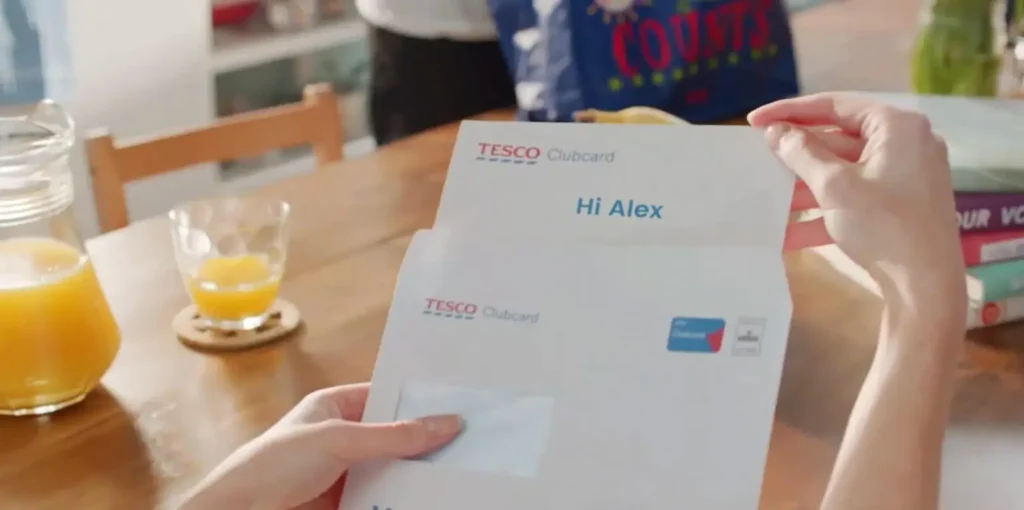
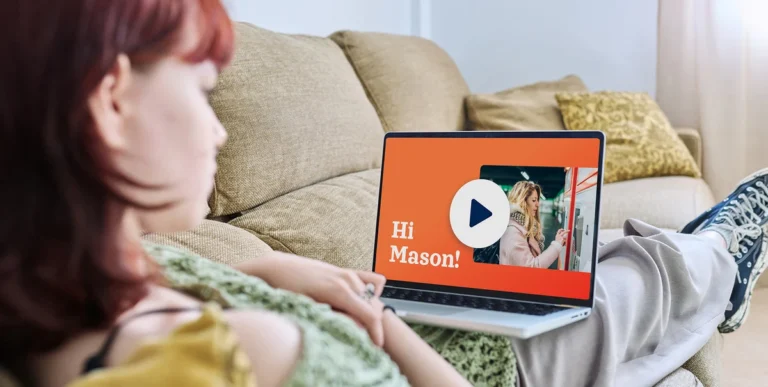
When given a choice between a Personalized Video and a generic one, consumers make their preference clear: They want it personalized, 4 to 1. For Gen Z and millennials, that ratio jumps to 7 to 1.
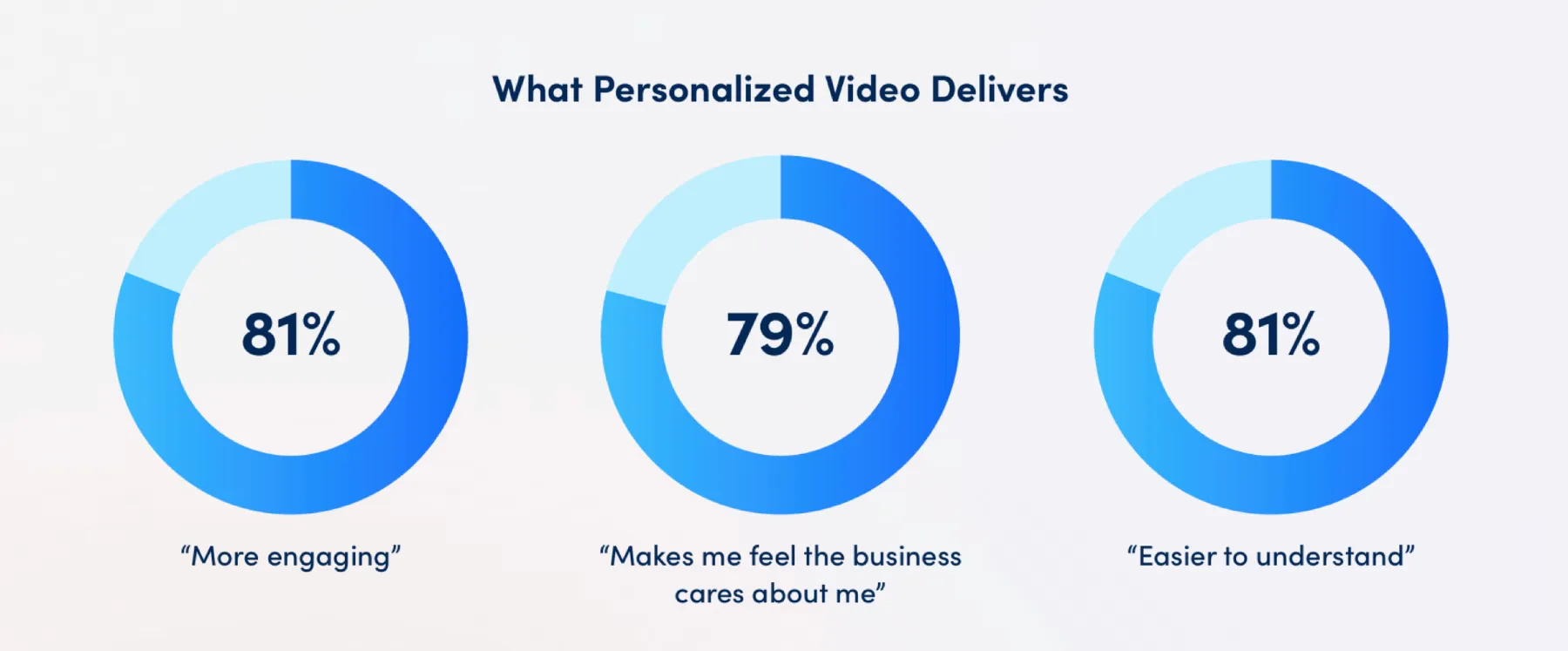
This has a direct impact on consumer behavior and perception. Across every attribute measured, consumers prefer Personalized Video over generic by a wide margin. 81% say it’s more engaging. 81% say it’s easier to understand. And 79% say it makes them feel the business cares about them.
The demand crosses industries, with financial services, healthcare and loyalty programs leading.
There’s also a strong link between Personalized Video and purchase intent. Consumers are 2x more likely to buy from brands that use advanced video tech like personalization and AI. For high earners, that jumps to 4x more likely.
Personalized vs. generic video:
- 4x more likely to be preferred by consumers overall.
- 7x more likely to be preferred by Gen Z and millennials.
- 81% say it’s more engaging.
- 81% say it’s easier to understand.
- 79% say it makes them feel the business cares about them.
Personalization Stats at a Glance
We’ve been talking about the upside of personalization. What happens when it’s absent?
When communications aren’t personalized, 45% of consumers get frustrated, and 52% feel their time is disrespected. That sentiment is even stronger among younger consumers: 57% of Gen Z say generic, irrelevant content from brands disrespects their time.
Consumers also want videos to be personalized and would consider leaving companies who don’t bother using advanced tech, like personalization, to improve their video communications.
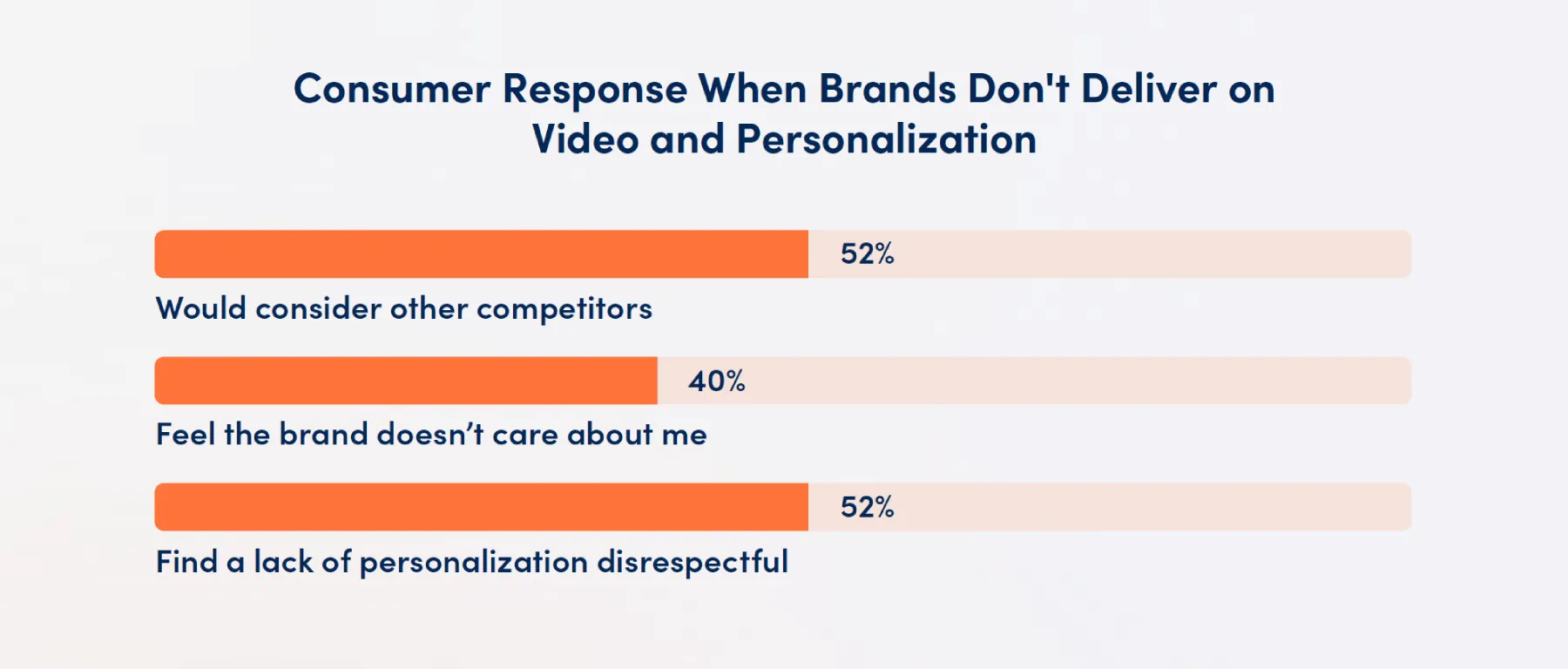
The good news is that most consumers are willing to share data to make personalization possible. The study found that 65% are happy to share data with brands in exchange for a more personalized experience, and 79% trust brands to keep that data secure, up slightly from 76% last year.
The trust and the permission are there. Brands need to act on them.
Personalization stats at a glance:
- 72% of consumers want more personalization from brands.
- 45% are frustrated when communications aren’t personalized.
- 52% feel their time is disrespected when content isn’t personal.
- 65% are willing to share data for a more personalized experience.
New Heights for AI Video
The biggest year-over-year shift in this study belongs to AI. Consumer interest in AI-generated video leapt 9 percentage points, from 65% to 74%, by far the largest single-year gain on any metric.
This acceptance is likely driven by growing familiarity with AI tools in daily life. And when consumers actually experience AI video, the results are definitive. When shown an AI-generated video alongside a document with the same information, consumers are 3x more likely to find the video easier to understand, even knowing it was made with AI. This preference held across generations, genders and income levels.
Generational attitudes toward AI are worth noting. Only 55% of Gen Z feel positive about artificial intelligence in general, compared to 66% of millennials. But put an AI video in front of Gen Z and the skepticism fades. 72% prefer the AI video over the document. And over two thirds say receiving an AI video would make them more likely to feel valued by the business and remain a customer.
Consumers do appreciate transparency: 75% want to know if a video was created with AI. But disclosure doesn’t diminish interest. If anything, it builds trust.
Interested in getting AI videos from brands:
- 74% of all consumers
- 87% of high earners
- 84% of minority consumers
- 83% of Gen Z and millennials
- 80% of digital-first consumers
Gen Z Wants Video Innovation
As in previous years of this study, younger consumers are at the forefront of the demand for Next Gen Video.
Interestingly, high earners are right there with them. Both groups want more video (91% of Gen Z and millennials, 92% of high earners). Both push for more personalization (78% and 86% respectively). Both are ready for AI video (83% and 87%).
And this preference drives action. High earners are 4x more likely to buy from a brand that uses advanced video tech such as personalized or AI video. Gen Z and millennials are 2.5x more likely. On the flip side, 62% of high earners and 57% of younger consumers would consider switching to a competitor if a brand fails to invest.
Younger consumer preferences:
- 91% want more video from brands.
- 78% want more personalization.
- 83% are interested in AI video.
- 57% would consider leaving a brand if video innovation is absent
Inclusive Video Communications
If you care about reaching diverse audiences, video may be one of your best go-to resources. Like the young and the affluent, minority consumers are especially keen for brands to use video in customer communications. The data is remarkably stable year over year.
While 87% of minority racial and ethnic groups want more videos and want Personalized Videos. They’re also more likely to be interested in interactive and AI video.
Two key reasons stand out: clarity and feeling valued. 87% say Personalized Video would make a new product or service easier to understand. When expectations aren’t met, 58% would consider switching to a competitor.
Minority consumer video preferences:
- 87% want more video from brands.
- 87% say Personalized Video makes new products and services easier to understand.
- 58% would consider switching to a competitor that invests in video.
A Look at AI Avatars
One new component of this year’s study tested consumer reactions to AI avatars. The feedback was overwhelmingly positive with half of consumers describing them as friendly.
Most consumers (65%) want videos with avatars. And younger consumers don’t just want a cameo. 70% of Gen Z and millennials want the avatar present throughout the entire video, compared to 55% of Gen Xers and older.
For brands looking for a scalable, consistent on-screen presence, avatars offer a strong option that consumers are genuinely receptive to.
Consumer interest in videos with AI avatars:
- 50% describe the avatars as “friendly” while 44% say “interesting”
- Only 17% would describe them as “creepy.”
- 65% are interested in receiving avatar videos from brands.
Omnichannel To Maximize Reach
How should brands deliver video? Email is still the most preferred channel for brand communication, but its lead has narrowed dramatically.
Back in 2022, 52% of consumers ranked email as their top channel. This year, it’s 31%. With no single channel commanding a majority, consumer preferences are more fragmented than ever, reinforcing the case that omnichannel messaging is essential.
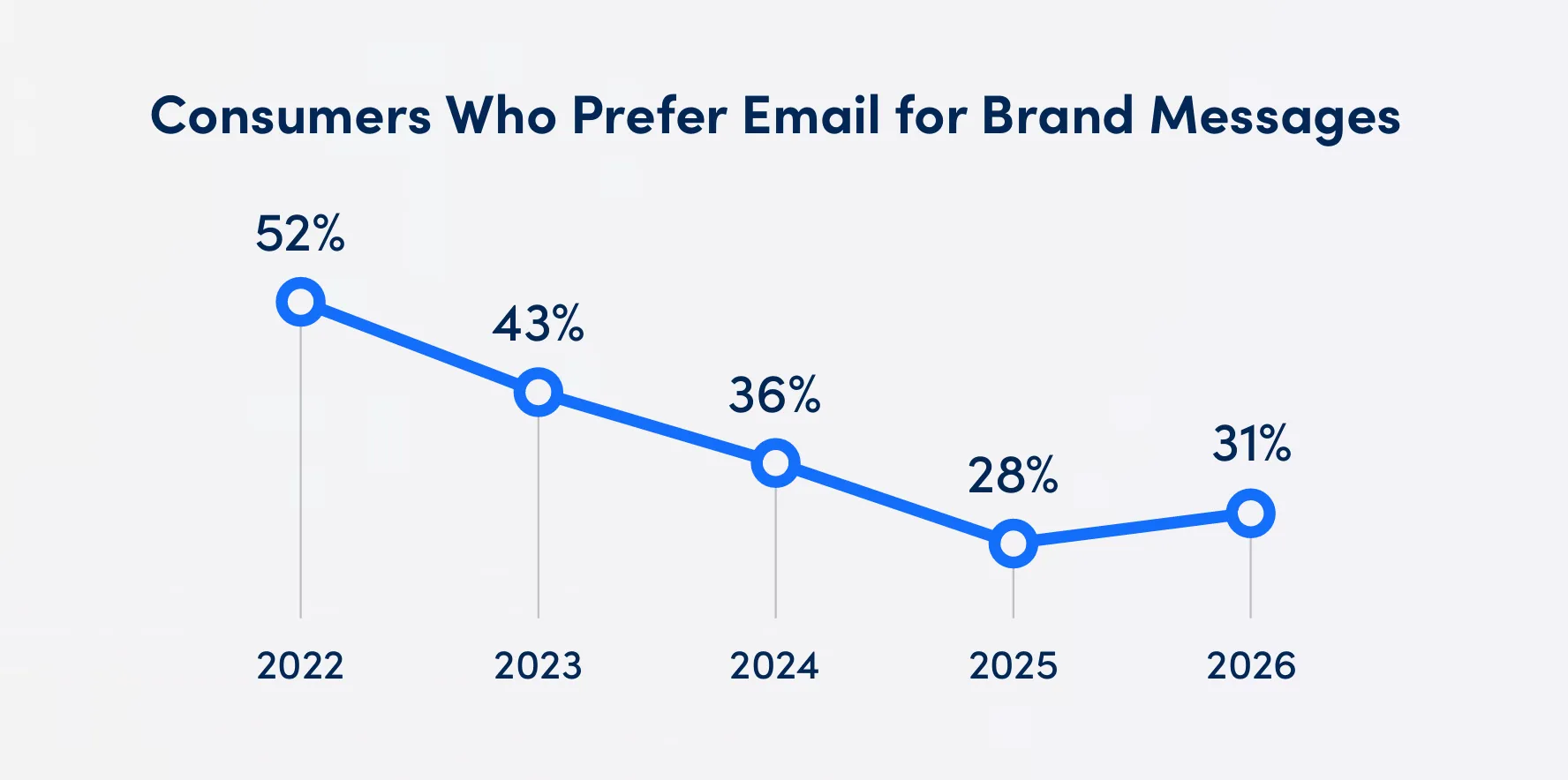
This is especially relevant when considering the video gap. If 46% of consumers say they never receive video from brands and brands are overly reliant on email, deliverability issues alone could mean a significant portion of consumers never see the content. Omnichannel distribution may be one of the most effective levers for closing the gap.
Nearly three quarters of consumers want companies they do business with to communicate with them across multiple channels.
Channel preferences:
- Email is the favorite with 31% listing it as their most preferred channel.
- 74% of consumers want multichannel communications.
- 85% of high earners and 82% of Gen Z and millennials agree.
The Businesses Perspective
It’s not just consumers. Businesses across every department are keen to jump on board with AI video.
Most notably, 92% of business executives are interested in creating AI videos. They’re followed closely by 90% of HR and L&D professionals and 88% of marketers.
One standout finding: the No. 1 type of video business professionals want to create with AI is Personalized Video. Of note, 57% of HR and L&D pros ranked it as their top pick. This points to growing demand for personalized AI video in employee training, onboarding and internal communications.
The good news is that AI can help close the video gap, and businesses are willing: 88% of executives say having an AI that creates video in minutes would make them start or increase video production — and AI can do that today, even including personalization and interactivity to give consumers the more relevant experience they crave.
Spotlight on businesses:
- 92% of executives are interested in AI video creation.
- 90% of HR and L&D professionals and 88% of marketers are interested.
- 88% of executives would start or increase video production with an AI tool that creates videos in minutes.
More Consumer Insights
The data clearly shows consumer demand for advanced video, including the positive side (higher loyalty and purchase intent) and the negative (the risk of churn if video or personalization are absent).
If you want to explore leveraging AI or personalization in your customer and employee communications, get in touch. We can help you close the video gap while cutting production time and costs by over over 90%.
For a deeper dive in the numbers, including much more than we could list here, download the full report. You can also access our reports for 2025, 2024, 2023 and 2022 to see how consumer preferences have changed over the years.
You’re welcome to share these findings with your audience as long as you link back to our website.