Your inbox dings. “Happy birthday,” your dentist says. But before you can even react, here’s another alert. Chewy’s got a treat for Bark Ruffalo, your goldendoodle.
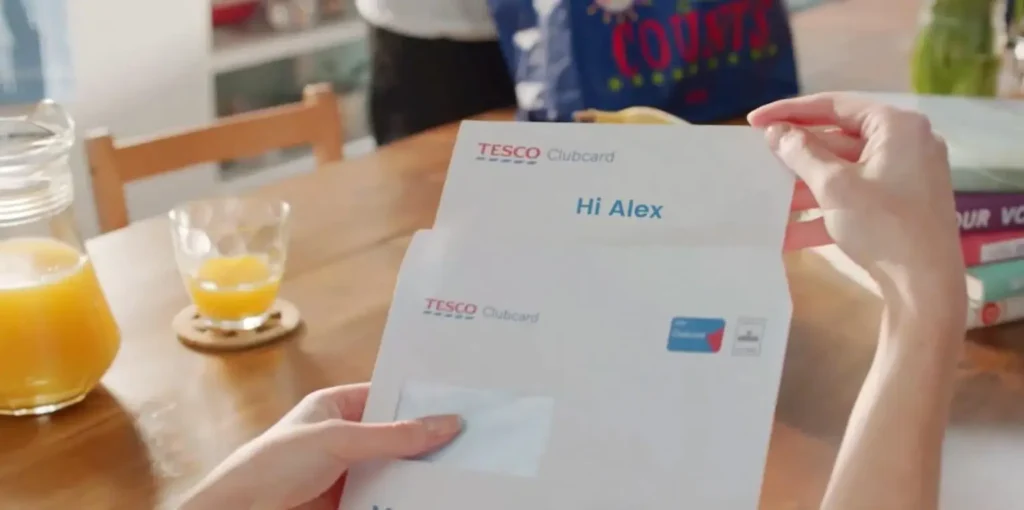
Another day, another “personalized” email. It’s one more message with your name slapped in the greeting, and it’s fast losing its shine. It’s no surprise to see your name (or your dog’s) in an email anymore. It’s not personal enough to take up real estate in your brain. That’s why more brands are turning to hyper-personalization. The goal is for your customers to feel that your brand knows them the way a friend would.
First, let’s define the term. Then we’ll look at 7 brands that are getting it right.
What is Hyper-Personalization?
Hyper-personalization is a marketing approach that uses individual customer data, often in real time and with help from AI, to tailor content, offers and experiences to one person instead of a whole segment. It goes well past a first name in a subject line. Account details, behavior, preferences and timing all shape what each customer sees.
Post on

When thinking of hyper-personalization, think about a visit to your local neighborhood coffee shop. The platonic ideal of the local neighborhood coffee shop. The barista there knows your name. They remember your order and how you like it. Extra hot and a dash of cinnamon? You feel welcome and cared about. It’s a friendly, personal touch.
But — and this is important — it’s not about more personalization. It’s about relevant personalization.
Data can come from your CRM, real-time feeds, even information customers input directly, but the goal is to tailor the experience so it’s better for them.
Usually, “better” comes at a cost. It means you (or your team) working a lot harder. But with AI, that’s no longer the case. The right AI tool can help you create hyper-personalized content at scale, so you can personalize every step of the customer journey.
What Isn’t Hyper-Personalization?
Let’s clear up a common mix-up. Customer segmentation and hyper-personalization aren’t the same thing. It might help to think of it this way:
- Segmentation is a group photo. It lumps customers by shared traits and demographics.
- Hyper-personalization is a selfie. It uses niche customer data to adapt key digital interactions to a unique, Netflix-like “just-for-you” experience.
In short, hyper-personalization layers many details about one person into a single experience. Some of the campaigns we’ve built use dozens of personal data points per viewer. American Airlines used nearly 40, as you’ll see below.
The Role of AI, Predictive Analytics and Machine Learning
You’ll likely hear about AI, predictive analytics and machine learning when learning about hyper-personalization. Here’s the breakdown of how they’re different.
- Artificial intelligence: The broad category of tech that can analyze data, make decisions and even create content, like copy or video
- Predictive analytics: Uses what people liked before to guess what they want next
- Machine learning: Algorithms adapt and personalize content based on user behavior
Keep in mind that hyper-personalization is about making the individual feel seen and understood, and that doesn’t always require the latest gadgetry. They can be part of hyper-personalization, but they’re not essential.

CASE STUDY
Ubisoft Drives Player Reactivation With Personalized Video

AI can do more than surface data, though. It can help you tell the story too. That’s what our video agent, Lucas, was built to do: turn each customer’s data into a video made just for them.
What Are the Benefits of Hyper-Personalization?
According to McKinsey & Company, 71% of consumers expect personalized interactions, and 76% get frustrated when they don’t get them. Here’s what customers love about hyper-personalized content:
- It’s easier to understand.
- They feel valued as an individual.
- Relevant information saves them time.
- They can discover interesting new things.
And 80% of business leaders report personalization boosts customer spending with an average uptick of 38%. It’s no wonder companies love hyper-personalization too.
The payoff comes from improving almost every part of the customer relationship.
- Customer engagement: People pay attention to content that’s clearly about them.
- Increased conversion rates: A relevant offer at the right moment is easier to say yes to.
- Better customer experience: Content that reflects someone’s preferences feels like help, so it leaves customers happier.
- Data-driven insights: Every interaction teaches you more about what each customer wants.
- Differentiation: Most brand communication is still generic, so personal content gets noticed.
Younger customers want even more of it. Among Gen Z and millennials, 78% want more personalization than brands give them today. Doing it well means knowing which data points matter to each customer and using them to create a truly personal digital CX.
Create Your Own Personalized Video
See the magic in action — instantly

7 Brands Mastering the Art of Hyper-Personalization
We could wax poetic about the usual suspects like Starbucks, Stitch Fix and Netflix. But instead, let’s put a few other companies that are acing hyper-personalization under the microscope.
1. American Airlines Wows Cardholders With Hyper-Personalized Video
First up? American Airlines wanted to reengage cardholders of its AAdvantage Aviator Red World Elite Mastercard, especially members who weren’t using the card much or didn’t know everything it offered. A generic marketing email wasn’t going to cut through, so the airline worked with our team to give each cardmember a video of their own.
Every video pulled in nearly 40 personalized data points, including:
- First name
- Miles flown
- Cities visited
- Recommended destinations
- Loyalty points
- Fees saved
The videos were interactive, too. Cardmembers could pick the topics they cared about most, like getting more out of their miles, travel insurance or card benefits. The final scene closed with a clear CTA to redeem miles or explore their perks.
The campaign drove 5x higher retention and 15x ROI. It’s a good reminder that loyalty program members love seeing exactly what their loyalty has earned them.
The hyper-personalization takeaway? Consumers are 4x more likely to want a personalized video rather than a generic one, so if you want to be personal, video is the way to do it.
2. Cleo Uses AI-Powered Hyper-Personalization for Gen Z Finances
Next up is, Cleo, an AI-powered mobile app that acts as your personal finance assistant. It’s packed with hyper-personalization.
The app targets Gen Z (and younger millennials) with relatable memes, imagery and slang. While the user experience makes managing finances fun, it also meets a serious need. It analyzes bills, income, purchase history and spending habits to offer helpful tips and notifications.
The video below gives a good overview.
The standout feature is Cleo’s chat. Here, the subscriber can ask Cleo to use behavioral data for insights on expenses. They can also opt for a “hype” or “roast” — positive or negative feedback on their spending. It’s like a candid chat with a finance expert who doesn’t mince words about your spending habits.
The hyper-personalization takeaway? Cleo wins over Gen Z by using AI to give real-time, personalized advice based on each user’s habits.
3. Spotify Wrapped Puts Every Listener in the Spotlight
You knew this one was coming. Every December, Spotify Wrapped turns a year of listening data into a personal recap for each user, from top songs and artists to total minutes listened. And every December, social feeds fill up with screenshots of it.
Last year, it reached 200 million engaged users within 24 hours, 19% more than the year before, and people shared it more than 500 million times on the very first day. Not bad.
Why does it work so well? Because Spotify put the spotlight on the person everyone loves most: themselves. Each Wrapped reflects your year back at you, with insights you might not have spotted yourself. People love content that highlights interesting things about themselves, and they love sharing it even more.
That’s hyper-personalization at its peak. A personalized recap uses data customers have shared and gives them something worth showing off. And every social post doubles as free advertising for the brand.
The hyper-personalization takeaway? You don’t need 200 million users to make this work. Banks, fitness apps and education platforms send personalized year-in-review videos to celebrate their customers, too (like the Orangetheory example coming up next). With our AI video agent, Lucas, you can turn your customer data into a recap that’s all about them.
4. Orangetheory Increases Attendance With a Heartfelt Video
Gathering your gear and going to the gym every day can feel like a slog, and it can be a challenge to maintain the habit. That’s why Orangetheory Fitness created this hyper-personalized video to encourage members to show up at its boutique fitness studios and keep at it.
During workouts, members wear heart rate monitors to track and display real-time heart metrics. Orangetheory’s workouts are dynamically based on these metrics. So it’s only fitting that the video’s music is, too.
Orangetheory’s personalized video, created with our platform, is a celebration of each member. Set to music built around their own heartbeat, it highlights their progress from the year’s workouts:
- Number of classes completed
- Challenges completed
- Splat Points earned
- Calories burned

CASE STUDY
Orangetheory Fitness Boosts Attendance With Personalized Video
Including these details gave the videos that 1:1 human touch. The videos resonated with members, who shared them on social media, and during the campaign’s launch week, 45,000 classes were booked. Classes hit 97% attendance, and the following month saw the lowest churn rate in Orangetheory’s history.
The hyper-personalization takeaway? The Orangetheory Fitness campaign shows just how creative personalization can be. We’ve all seen “Hi [Name]” intros to emails. But a soundtrack made from your workout heart rate? Now that’s worth clicking (and sharing).
5. Hilton Honors Removes Travel Friction With a Hyper-Personalized App
Hilton Hotels & Resorts designed the Hilton Honors app for its customer loyalty program members. The app offers exclusive perks to members staying at Hilton’s more than 9,400 properties worldwide. It also caters to the 86% of millennials and 83% of Gen Z who want the option to book their trips entirely online.
The Hilton Honors app takes the friction out of travel. Its Digital Key turns smartphones into room keys. And its Background Elevator Unlock unlocks elevators when the app is open in the background.
Members can also control in-room tech, such as TVs and streaming apps, from their mobile devices. Need something? Chat with hotel staff via mobile messaging and make payments within the app.
The hyper-personalization takeaway? Hilton shows how important it is to understand customers’ individual preferences. You can address their pain points with technology that offers omnichannel, personalized solutions. Keep in mind that creating an app or hyper-personalized content is only half the task. To give the best experience, it needs to be easy and intuitive to use.
6. Honda Simplifies Car Buying With Hyper-Personalized Onboarding Videos
Honda uses hyper-personalized videos for customer onboarding. They help new buyers understand their finance plans without eating up their time, which takes some of the hassle out of buying a car.
After purchasing a new vehicle, customers receive a video outlining all the essentials from their agreement, such as their:
- Payment plan
- Monthly costs
- Payment schedule
A quick video saves customers from sifting through paperwork to find important information. But this convenience means customers must trust Honda enough to share their data. Honda delivers each video securely through our platform, so customer data stays protected.
Customers share their data because they get something useful in return. In fact, 65% of consumers are willing to trade their data for a more personalized experience.
The hyper-personalization takeaway? Honda’s hyper-personalization marketing strategy shows how automation and a personal approach transform the customer experience. You can use bill explainer personalized videos like these to help your customers understand payment plans and agreements.
7. Hinge Health Makes Physical Therapy Accessible and Personal
As the R.E.M. lyrics go, “Everybody hurts — sometimes.” That’s why the virtual physical therapy program Hinge Health is changing how we approach back, muscle and joint health. Its in-app personalized care keeps people moving and reduces unnecessary surgeries and opioid use.
With Hinge Health, each user gets a tailored physical therapy plan. They also get a dedicated physical therapist and a health coach who sends personalized messages and supplies. As treatment progresses, the care team switches up the exercise playlist to match the user’s readiness level.
The app is gamified to motivate patients. They can earn points to unlock the next level with new exercises or win supplies like yoga mats or bands. Also, an AI form detector is available if patients need help with their form during exercises.
In-office physical therapy can be a hassle — no time, steep costs or a lack of motivation. With a hyper-personalized therapy plan on a handy mobile app, finding an excuse to skip exercise gets a lot harder. Hinge Health puts a therapist in your pocket who’s tailored to you and ready when you are.
The hyper-personalization takeaway? Hinge Health’s in-app hyper-personalization shows how healthcare organizations can innovate care. Using real-time data, it meets patients’ needs at every touchpoint. That’s a big win for busy patients who value convenience and personal control.
Your Hyper-Personalization Questions, Answered
What’s the Difference Between Personalization and Hyper-Personalization?
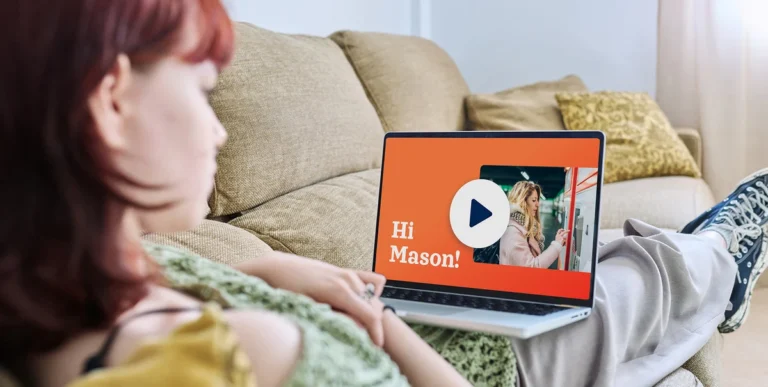
Personalization usually swaps in a few basic details, like a first name or a product someone browsed. Hyper-personalization draws on much richer individual data, such as account history, behavior and real-time signals, to change the content itself for each person. In a hyper-personalized video, for example, the scenes, numbers and recommendations are different for every viewer.
What Are Some Examples of Hyper-Personalization?
American Airlines sent cardmembers interactive videos built around their own miles, destinations and rewards. Spotify Wrapped turns each listener’s year into a shareable recap. Orangetheory Fitness gave members videos with music built around their own heartbeat, and Honda sends new car buyers onboarding videos that walk through their payment plan.
What Data Do You Need for Hyper-Personalization?
Start with the first-party data you already have, like CRM records, transaction history and app or website behavior. You don’t need every data point to begin. A handful of relevant details used well beats a pile of data nobody acts on. Interactive content is another option, because the choices viewers make inside a video become data you can personalize with.
How Does AI Help With Hyper-Personalization?
AI makes it practical to create and update 1:1 content for thousands or even millions of customers. It can analyze behavior to predict what each person needs next, and it can produce the content itself. With Lucas, for example, you can turn a prompt or your existing material into a personalized video campaign where every version is built from each customer’s data.
Navigating Hyper-Personalization
When done well, hyper-personalized content boosts customer engagement, brand loyalty and business success. As these 7 brands show, it’s about making your customer feel like the only person in the room.
After all, isn’t that what we all want — to be seen, understood and valued?
If these hyper-personalization examples have inspired you, why not give your customers the experience they deserve? As you can see from the brands above, it’s not as hard as you might think. And with AI, it’s downright easy. Our AI video agent, Lucas, turns your customer data into 1:1 videos that feel made for each viewer, whether you prompt him yourself or hand the project to our team.
Why wait? Book a demo with one of our hyper-personalized video experts to see what Lucas can do for your customers.