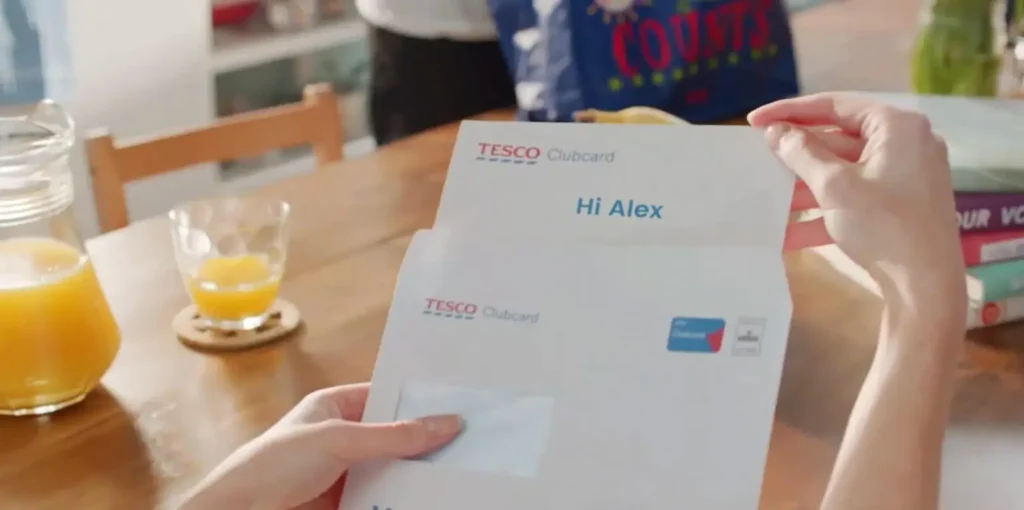


A decade ago, if you said “we do personalization at our company,” you might have meant dropping a first name in the subject line or greeting of an email. Maybe your company ran retargeting ads for buyers who visited your site or left something unpurchased in their shopping cart.
It was personalization, but not very personal.
Well, the bar has (long since) moved. As McKinsey & Company reports, 71% of consumers expect companies to deliver personalized interactions. And 76% get frustrated when that doesn’t happen. People can tell the difference between a message built for them and a broadcast with their name pasted on top.
But that’s not the issue. Most teams know they need to personalize the journey. The real question is how, as in, which customer journey personalization tools will get them there, preferably without a year of integration work and a data science degree.
That’s what we’ll cover in this article. Read on.
Why the Old Playbook Stalls Out
Mapping a customer journey is the easy part. Plenty of teams have the customer journey maps taped to a conference room wall or color-coded by stage on some marketing software. The hard part is acting on the map at the scale of a real customer base.
Post on

Here’s the gap. A customer journey map tells you what should happen at the awareness, onboarding and renewal stages. It doesn’t, on its own, produce a different experience for each of the 200,000 people moving through those stages at different speeds. That’s where the work piles up, and that’s where the right tool either saves you or sinks you.
A lot of the customer experience stack was built for analysis, not action. You can watch session replays, study heatmaps and run A/B testing until you know exactly where customers hesitate. That’s genuinely useful. But knowing where the drop-off happens and doing something personal about it in the moment are two very different jobs.
What Customer Journey Personalization Tools Do
The category is broad, so it helps to sort it by the job each tool is built to handle. Some tools observe, some organize, and some act. Knowing which one you’re shopping for keeps you from buying a beautiful dashboard when what you needed was a way to reach people.
Here’s how the pieces tend to break down across a typical customer experience program.
Tools That Map and Visualize the Journey
This is the planning layer. Customer journey mapping tools help teams sketch the path a customer takes, from first touch to renewal and spot the gaps between stages. User journey mapping software and a journey builder belong here too, along with service blueprints that detail what happens behind the scenes at each step. Whiteboarding the journey is where strategy starts, and the visual artifact keeps marketing, product and service teams arguing about the same map instead of three different ones.
The catch is that a map is a plan, not an experience. It tells you where personalization should live. It can’t deliver the personalized moment to the customer. Treat this layer as the blueprint and budget for the part that builds the house.
Tools That Collect and Unify the Data
Personalization is only as good as the data feeding it. This is where first-party data, behavioral analytics and audience segments come together so you can tell one customer apart from another. Teams lean on predictive analytics and machine learning here to anticipate what someone wants before they ask and to group customers into audience segments and customer personas that mean something. Done well, artificial intelligence turns raw behavior into a usable read on intent rather than a pile of dashboards.
A word of caution on the buy-everything instinct. You don’t need to stand up a sprawling customer data platform (CDP) and a stack of marketing automation tools before you can do anything personal. You need clean, consented data and a way to act on it. Start with the customer data you already have and a system that can read it, then expand. Respecting GDPR and customer privacy is part of what makes the personalized experience feel like care instead of surveillance.
Tools That Deliver the Personalized Experience
This is the layer that decides whether any of the above matters to the customer, because it’s the only one the customer ever sees. Delivery tools take the data and the plan and turn them into personalized content a person experiences, whether that’s a product recommendation, website personalization on a tailored landing page or a video made for an audience of one. The closer that experience gets to feeling individually made, the more it moves the metrics you care about, from customer satisfaction to customer retention to customer lifetime value.
Video is where this gets interesting. For years, “Personalized Video” hit a wall at scale because producing a unique cut for every customer was impossible to do by hand. But with a platform built for Personalized Video, you can seamlessly add customer data straight from your CRM to millions of videos. And now with new generative AI technology, you can even create the video yourself, no studio needed.
Personalization Native to the Video
Most tools that promise Personalized Video are really dropping elements on top of a scene. They place a name in a box floating over the footage, and it looks like what it is.
We do things differently. Personalization is native to the video itself, truly part of the scene. If a customer’s name belongs on a banner, a book or a birthday cake, it’s rendered into the frame so it’s actually on that object, not floating on top.
You can see it in the clip of one of the videos we created above for a multinational bank. The actor walks in front of the license plate with Clare’s name on it. You can’t do that when text is the top layer.
In the world of AI, where the actors are digital avatars, we make this possible through Strata, our AI foundation model that generates layered video, allowing Lucas to distinguish between the character, text, data and background.
The practical upside to all this? Volume without the usual trade-off in quality. You can produce cinematic videos at scale, where every viewer gets a video uniquely customized for them.

Ebook
9 Ways To Personalize Video Content

Picking a Tool That Grows With You
So how do you choose, given that the category sprawls across mapping, data and delivery?
Start from the journey itself, not the feature list. Walk your own customer journey map stage by stage and ask, at each moment, what would make this feel personal to the human on the other end. The answer points you to what you need first.
Tip 1: Start With the Outcome, Not the Org Chart
It’s tempting to buy a tool per team, with marketing getting one, service getting another and product a third. That’s how you end up with a customer experience program that’s 3 disconnected stacks and no shared view of the customer.
And it’s expensive.
The most useful CX tools draw from the same customer data and reinforce the same journey, so a renewal video knows what the onboarding messaging already said.
Demand Personalization That Reaches People
A tool that only visualizes the journey or only stores the data leaves the most important step undone. You want a clear path from insight to a personalized moment the customer receives, on the channels they use, whether that’s email, SMS, a landing page or an embedded player.
If a vendor can show you the data going in and the personalized experience coming out, you’re looking at something that moves metrics rather than just charts them.
Insist on Scale Without a Quality Tax
The test of any personalization tool is what happens when your audience grows from 2,000 to 2 million. Does the experience stay personal, or does it degrade into the same 3 templates? The answer should be that quality holds as the audience grows, whether you’re using AI-generated video or any other type of content.
After all, that’s what personalization at scale really means.
Meeting Customers as Individuals, Not Segments
The teams winning on CX right now are the ones with the right strategy and the right tools. We have a separate blog about effective personalization strategies, but as far as tools go, mapping, data and delivery all matter, but delivery is where the work becomes real to the person on the receiving end.
Pair a clear journey map with Personalized Video that’s built to scale, and the experience feels like a conversation instead of a broadcast.
Looking for more personalization tips? Here are 8 places to use personalized content that give you the most bang for your buck.