

If you’ve spent any time around AI lately, you’ve probably encountered an avatar. These lifelike virtual presenters can live anywhere in the digital world, but they’re especially popular in AI videos.
They show up on screen at key points to explain, guide, teach, welcome and reassure. Done well, they create a better experience for the viewer. Of course, when they’re not implemented effectively, the opposite happens. They can come across as disingenuous and fake.
Getting it right is critical. Video has long been one of the most effective ways to communicate. It builds trust faster than text, carries emotion more clearly and helps people understand complex ideas with less effort. Adding AI to the mix introduces scale and speed, but only if the result still feels authentic.
At their best, AI video avatars help brands communicate more often, more consistently and more clearly. They make it possible to create engaging content without sourcing and hiring actors for every video, whether it’s a personalized employee welcome or a quick product explainer for socials. This makes video more accessible for more organizations — and that’s a good thing.
Meet Your Friendly AI Video Avatar
An AI video avatar is a digital presenter that appears on screen and delivers spoken content. That’s the most basic definition.
That content might come from a script generated by AI or written by a human. If you use a text-to-video workflow, you’re probably letting the AI write your script. If you have a scriptwriter on staff, maybe you create your own. Ideally, your AI video platform will accept either input (ours does). You can also create scripts from uploaded docs, webpages and other materials.
The avatar’s voice is generated using an AI voice or voice generator, and the avatar’s facial movements are synchronized through realistic lip-sync.
What separates modern, high-quality avatars from earlier attempts is how lifelike they’ve become. Today’s realistic AI avatars move naturally, maintain eye contact and follow the rhythm of real speech. This helps viewers focus on the message (which is what you want) rather than the technology delivering it.
Why AI Avatars Work So Well in Video
Avatars are a bit of a paradox. They’re powered by artificial intelligence, but their goal is to make content feel more human. And it generally works. That’s because they can convey meaning (tone, emotion, emphasis, etc.) beyond words, using voice inflection, facial expressions and even gestures, just like people do.
If you’ve ever heard that most communication is nonverbal, this is what they’re talking about. Turns out, humans are pretty good at picking up on nonverbal cues. We’ve been doing it forever.
Case study
Longboat Launches Personalized Onboarding Video 3 Months Early With AI

Video already does something text can’t. It communicates tone, pacing and emotion at the same time. People process it faster and retain it longer. Adding a talking avatar builds on those strengths while eliminating some of the biggest barriers to video production.
For large organizations, avatars make it easier to reach global audiences. One script can be turned into dozens of videos, localized with different voiceovers in languages and even dialects, while keeping the same visual presence. The ability to localize content without reshooting saves time and dramatically lowers production costs.
It also promotes inclusivity. Avatars can look like anyone and represent a broad variety of cultures, helping organizations promote diversity with a thoughtful decision and a few clicks.
And just like AI video production as a whole, using AI avatars is a serious time-saver. Instead of recording the same script over and over to get it “just right,” teams can update copy without starting from scratch.
That’s why AI avatars now appear across marketing, internal communications, e-learning, customer support and more. They make video creation more flexible without making it feel impersonal.
For lean teams, avatars make professional videos accessible. You don’t need a studio, a camera crew or a full day of shooting — because who has that kind of time? You can create and publish a video in a matter of minutes.
And for teams producing large volumes of video content, avatars help streamline production without sacrificing quality. Videos that once required outsourcing voiceovers (or asking your intern to start getting familiar with a podcast mic and the acoustics of an empty conference room) can now be created, edited and localized faster and at a lower cost.
Where AI Video Avatars Add the Most Value
AI avatars are flexible enough to support a wide range of use cases, but they’re especially powerful anywhere clarity and a touch of human empathy matter.
Marketing teams use AI avatar video for social media content creation, from short TikTok and YouTube videos to engaging AI Video Ads. Product teams rely on avatars in explainer videos and tutorials that walk users through step-by-step processes. Customer support teams use avatars to answer FAQs and explain policies, cutting confusion and call volume.
Internally, avatars have become a go-to solution for internal communications. That includes company announcements, benefits reminders and other HR messaging, but especially employee training.
L&D Gets an Upgrade
Learning and development is arguably the place where AI video avatars have had the biggest impact. Training content needs to be clear, consistent and easy to update. Traditional video production struggles with all three.
AI video solves the problem by allowing L&D teams to create their own videos on the fly, edit them as desired and update them from year to year as needed. Adding avatars can make videos more engaging, which ultimately boosts comprehension and retention — because, let’s be honest, no one is excited about that 4-hour conflict resolution training course.
Here are some of the most common L&D use cases.
Onboarding That Actually Sticks
Onboarding is often overwhelming. There’s a lot of information to absorb at once, and the details can get overlooked. It’s part of the reason customer onboarding has been one of our most frequent use cases when clients start using Next Gen Video.
It’s no different for new hires. They have to rapidly assimilate into a new team while taking in information from multiple departments in a short time. How often have you heard a new hire say it’s like drinking from a fire hose and then give a weary “but I still have a good attitude about it” smile? Don’t let that happen to your next recruit.
AI video avatars turn the onboarding information dump into a guided experience. Your chosen avatar — it can even be a digital twin of your CEO — walks new employees through tools, team culture and expectations. Training is both structured and approachable. And because the content is video-based, it’s easier to understand and even fun to watch. A great first impression.
Scalable Training Videos
Training materials rarely stay static. Processes change. Tools update. You might launch a new product that you need to train the team on so they know how to sell it. Or you might want to add some soft skills training to your current L&D program.
But with traditional video production, creating new training videos or updating old ones is expensive and slow. Fortunately, AI videos make updates simple, even when avatars are included. Scripts can be edited, regenerated and redeployed without re-recording footage. That means training videos stay accurate, current and useful.
Global Learning Made Easy
For organizations with distributed teams, avatars paired with text-to-speech and video translation make training accessible everywhere. Content can be localized quickly, helping teams support learners across regions without multiplying effort.
And, as mentioned above, avatars make information easier to understand for more people, regardless of language, location or learning style. That boosts accessibility — a win for everyone.
What To Look for in an AI Avatar Generator
Not all avatar video tools are created equal, and it’s not just about how the avatar looks. The best AI avatar generators let you easily incorporate them into any kind of video, localize and personalize content at scale and are generated in real time so video production stays fast.
Here’s what to look for.
- Lifelike appearance: The avatar should look natural, not stiff. Realistic movement and accurate lip-sync are key.
- Natural voice: A high-quality AI voice prevents videos from sounding robotic or flat. Make sure your AI has a way to pronounce branded words and acronyms just like a human would.
- Localization: Built-in tools to localize voiceovers and visuals are essential if you’re going to be translating your video for an international audience.
- Editing control: Even with automation, teams need to adjust scripts, visuals and pacing. A robust built-in editor keeps humans in control, and yes, you should be able to swap avatars in the edit stage — because sometimes you change your mind (or your boss changes theirs).
At Idomoo, high-quality avatars are built into our Lucas AI Video Agent, but they’re optional for any video. If an avatar doesn’t suit your use case, you don’t have to use it. If you want to swap it last-minute or have it speak in another language, you can. With our balance between flexibility and automation, Lucas offloads the busy work — you have the creative freedom to make your video your own.
AI Avatars in the Modern Video Workflow
Speaking of which, we believe AI video creation works best when it’s all-in-one.
Yes, you can use an LLM to generate a script, another AI tool like Runway or Veo to generate footage, another like HeyGen or Synthesia to generate an avatar, and so on, spending hours compiling everything yourself or using another AI video template generator to cobble it together. And that can work — if you’ve got excess time.
We find that marketing, sales and L&D teams don’t tend to have tons of extra time on their hands. So Lucas handles video creation from start to finish. He does the scripting, storyboarding, avatars, footage and image selection and generation (if needed — you can choose to omit AI visuals from your video if you choose), animation, even the final CTA (again, if applicable).
Essentially, he automates the repetitive or difficult tasks of video production while preserving the ability to refine and iterate.
The Personal Touch Still Matters
You know we can’t leave without talking about Personalized Video. Our Next Gen Video powers video campaigns with millions of Personalized Videos. What happens if you want to include an AI avatar?
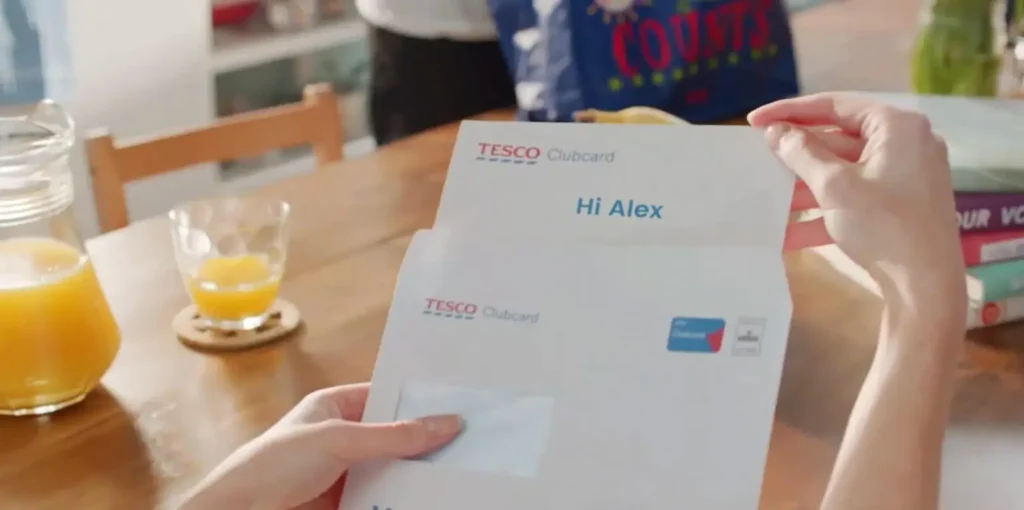
Well, the great thing about digital avatars is that they can be personalized too. Your friendly AI avatar can say any name, not just one of the 100 most common you might have recorded from a voice artist.
And, as we know, when a video feels personal, people pay attention and feel good about what they’re watching. The latest research shows that consumers are 4x more likely to feel valued by a video when it’s personalized.
A More Human Future for AI Video
AI video works best when it’s used intentionally. The goal isn’t to automate everything. It’s to remove friction so teams can communicate more clearly (thanks to video) and more often (thanks to AI).
Digital avatars are part of that. With lifelike expressions and friendly voices, they help share information so people understand better. And that’s what it’s all about, when you get down to it.
Whether you’re a global org needing to convert help docs into high-quality videos spanning 20+ languages or a smaller team just getting started with AI avatars, we’re here to help. It all starts with a chat, and our door is open. Let’s connect.