

It’s a common misconception that humans make decisions based on logical analysis of the options at hand. The truth is that we process information through two parts of the brain — the neocortex and the limbic system — and the factors that move us from inaction to action — whether positive excitement or negative emotions like anxiety — are less based in thought than you’d expect.
Why does this matter for marketers, particularly marketers who use video? In short, we recognize information in an audiovisual format like video faster than we do text or even images.
If you want to know why it works this way and how it should affect your brand communications, you’re in the right place. First, let’s take a look at what behavioral science has to say on the subject.
Speaking System 1: The Right Language for Marketers
There’s a lot the experts don’t know about neuroscience and behavioral psychology, and they’re discovering more all the time, but we do have a basic understanding of how humans take in information to make decisions.
At a high level, we know that information is processed sequentially in the brain first by the lower system, sometimes called System 1, and second by the higher system in charge of logical reasoning, System 2.
We mentioned the neocortex and limbic system above. Here’s a basic rundown of what each of these systems do.
- The neocortex is the part of the brain that understands language and dense information. It’s highly analytical but also very slow.
- The limbic system, on the other hand, is fast, almost automatic. It’s good at processing audiovisual information and responding to emotional triggers — generating specific emotions like trust or fear to tip us over from feeling to action.
Decisions are made quickly by System 1. It’s only after the decision is made and information is sent to the higher System 2 that we can add reasoning to the choice that we already made.
Think about it. If there’s an earth-shattering roar nearby in the forest, do you want to evaluate the various sounds of animals you’ve learned to identify which it may be? Or do you want to run? Don’t worry. Long before you could finish that sentence, your limbic system already made the decision for you — you want to run.
This idea of our dual-system brain is covered in-depth by Nobel prize-winning psychologist Daniel Kahneman in his bestseller “Thinking, Fast and Slow.” The Decision Lab also has a great overview of it if you want to read more.
Turns out, we’re actually pretty good at making decisions designed to keep us alive and help us understand who is friend or foe. We can instantly interpret through body language if someone is likely to be a threat to us. There’s a reason that 55% of communication is nonverbal — and that jumps to 93% if you include voice inflection and tone, leaving a mere 7% for the words themselves.
Feelings and Decisions Go Hand-in-Hand
Given the influence that feelings have over our decision-making behavior, it’s no surprise that emotional marketing is a key priority—marketers are constantly striving to tap into consumers’ human emotions. This subliminal emotional level of distinction becomes especially important when someone is selecting between comparable items—regardless of demographic.
Nike is a master of emotional branding and emotional marketing, offering excellent emotional marketing examples. They partner with role models like Serena Williams to focus on a message of empowerment. They use language like “overcome” and “unlimited” and “Find Your Greatness” to evoke positive emotions and themes of success and achievement and create emotional appeal. You see athletes (like Sabrina Ionescu in this Instagram post), inspirational words and vivid colors throughout their ads, social media and content marketing.
But where they really shine is video content. Compare the visual linked above with the video below. While the title, “Never Settle, Never Done,” has the same uplifting tone as many other emotional marketing campaigns, the audiovisual format draws you in in a way that a static image can’t.
The message is clear. It just takes drive to achieve your best, and the subtext, that Nike gear can help you get there, demonstrates how Nike uses branding — and not too overt product placement — masterfully. All of this reinforces their brand image. It’s a tried and true emotional advertising formula that’s worked for decades, but video ratchets it up several notches by connecting to System 1 of the brain.
Bonus: You might have noticed the soundtrack playing with this video. If you’re curious about music and marketing, check out our blog on how music affects emotions and sales.
Using Video for Deeper Engagement
With emotions leading the way to purchasing decisions, and video sparking an emotional reaction that deepens the emotional response, you can see the connection between potential customers watching a video and taking action.
Even switching from text to images as a means of communication is a big improvement. One study by MIT found we can process images after just 13 milliseconds. Other research found that information is 70% more memorable when combined with visuals and actions (like those you can show in a video). This isn’t surprising when you consider that we’ve been using written words for only a few thousand years, and much of the world wasn’t even literate until a few centuries ago. Our brains are hardwired to absorb and process visual data.
But video can communicate much more than a single image, while tapping into System 1 thanks to the audiovisual format.
To be effective, video doesn’t rely on an abundance of text to convey complex ideas. Instead, it triggers an emotional response through dynamic yet simple emotional content. It also allows for the subtlety of communicating emotion, allowing the opportunity to build an emotional connection, build trust with the viewer, driving retention, brand loyalty, customer engagement, and deeper emotional connection.
This is easier to show than explain. Here’s an example of a video a pension provider used to show their members what was in their statement.
Now, pension statements are complex documents. They’re not easy to comprehend unless you’re savvy on the subject. But this video, as you can see, is much more accessible, particularly important in the financial services industry where clear communication supports transparency.
Data-driven pension videos like the one above drive real action. In one campaign, watching a video made customers 4x more likely to change their contributions.
Here’s another example, this time from a mortgage company. The metrics show this approach works: this video was modified and used by a number of providers to tell customers about their options as their forbearance period came to an end.
Forbearance isn’t an easy topic. If you send customers a PDF or several paragraphs of text about their next steps, they’ll ignore it — and call you, driving up call center costs. That cost was a serious pain point for companies struggling to communicate with customers during this time.
Video cuts through the noise, making it easy on customers (with their lazy System 2 brain), so they can understand at a glance what they need to know. The video above reduced call center call volume by as much as 73%.
But It Has To Be Personal
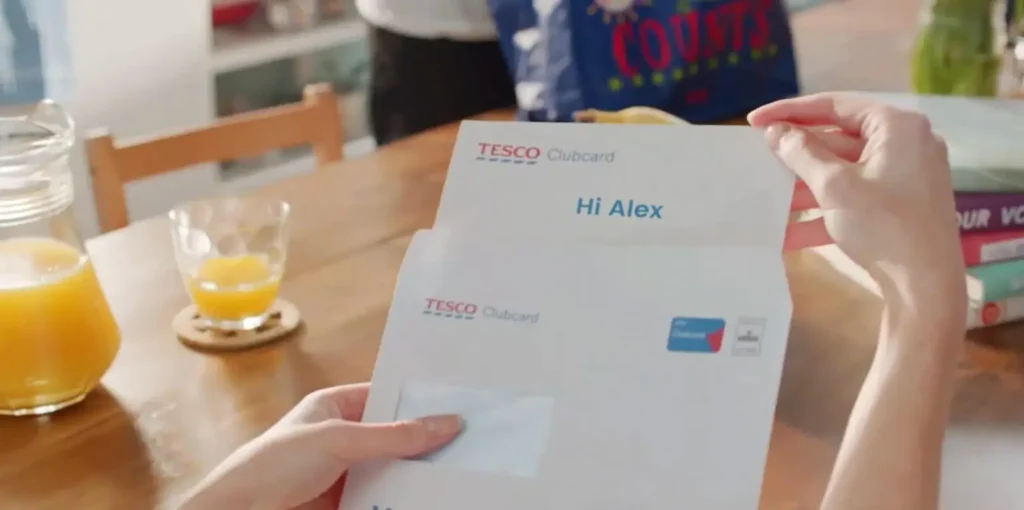
You might have noticed something else about the videos above. They aren’t just audiovisual or concise and easy to follow. They’re also personalized for one person: Peter for pensions, Alex for forbearance.
Peter could see his personalized “flight path” for savings, so he could plan for his future. Data points included his current account value, projected value by a specific retirement age and more. Alex could walk through her video to learn about next steps available, even selecting what she needs to know with video interactivity.
Personalization is another important tenet in emotional marketing strategies, and a cornerstone of effective emotional marketing, because it allows you to meet each person’s emotional needs and treat them like the individuals they are. It’s also a must for customer communication because each customer in your target audience needs information relevant to them.
Personalized Video combines both — video and a personalized experience. And today’s technology makes these emotional marketing strategies scalable, so you can use the power of video to reach millions of customers with a message that feels truly personal.
Text vs. Video: The Winner Is…
Of course, companies can still communicate with new customers through a lengthy welcome brochure steeped in jargon, a common marketing tactic. They can still send text-heavy messaging to longtime customers for upselling or retention. And many do. Text is the default because it’s easy.
But as we covered above, that isn’t what customers want. It doesn’t make information easy to understand. It doesn’t build stronger connections and trust. And dense text can often have the opposite of the desired outcome, frustrating and alienating customers, leading to reduced customer loyalty and churn.
Learnings from behavioral science show us why emotional efforts work and how video helps us build that bond. A personalized approach to video lets brands get to the heart of their message — and the heart of their customers — in a mere 60 seconds, but it leaves a lasting impression.
This strategy works across industries, from telco to travel, delivering results like 11x sales, 10x engagement and 17x ROI. (Yes, I said 17x ROI. Read the case study covered by MarketingSherpa, a research institute focused on customer-first marketing).
Whether you need to explain a bill, drive sales, stop churn before renewal or just celebrate your customers, data-driven video can do it. To find out how it all works and see more case studies, get in touch.